Whether you’re managing a busy office, retail store, warehouse, school, or manufacturing facility, keeping your business secure is a top priority. CCTV cameras play a critical role in protecting people, property, and assets by helping you monitor activity, deter crime, and investigate incidents when they occur.
However, choosing the right CCTV camera for your business isn’t always straightforward. With so many options available, it’s important to understand the key features that will provide the level of security your business needs.
Here are the most important factors to consider when selecting a CCTV camera system.
- Clear Images Matter
When it comes to security footage, image quality is everything. A good CCTV camera should record in at least 1080p Full HD resolution. High-resolution footage makes it easier to identify faces, license plates, and other important details during an investigation.
Higher-resolution cameras also maintain image clarity when zooming in on footage, making them ideal for monitoring large areas or entrances from a distance.
- Consider the Environment
Outdoor Cameras
Outdoor CCTV cameras need to withstand harsh weather conditions while continuing to capture clear video. Look for cameras that are dustproof, waterproof, and built to operate reliably in varying temperatures.
Industrial Environments
Businesses operating in environments such as cement plants, bakeries, factories, or workshops should consider industrial-grade cameras that can withstand dust, residue, heat, or moisture.
Indoor Cameras
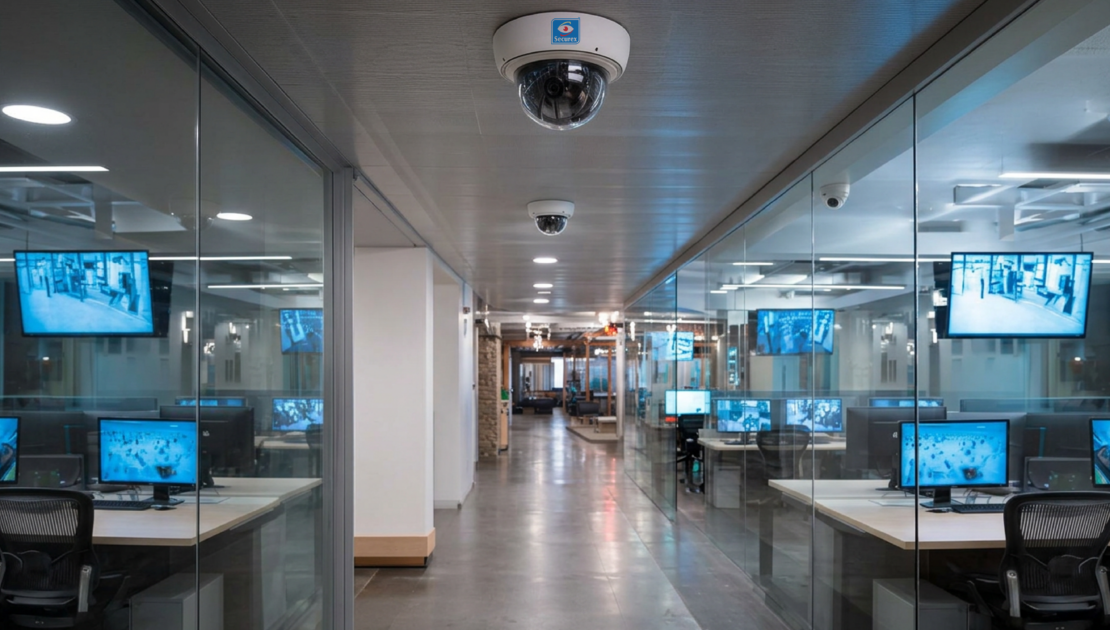
Indoor cameras typically require less environmental protection since they are installed in controlled environments. These cameras are ideal for monitoring employees, customer activity, stockrooms, and entry points.
- Determine the Area That Needs Monitoring
The size and layout of your property will help determine the type and number of cameras required.
Fixed cameras are ideal for monitoring specific areas such as entrances, cash points, or corridors. For larger spaces, PTZ (Pan-Tilt-Zoom) or 360-degree cameras can provide wider coverage by moving and adjusting their field of view to monitor multiple areas.
A professional security assessment can help identify high-risk areas and determine the most effective camera placement.
- Work Within Your Budget
Your budget will influence the type and scale of CCTV system you install. For some businesses, installing multiple fixed cameras may provide the best coverage. Others may benefit from fewer high-performance PTZ or 360-degree cameras that can monitor larger areas.
The goal is to strike the right balance between cost and effective security coverage.
- Connectivity and Remote Viewing
Remote viewing capabilities provide peace of mind by enabling you to check live footage and review recordings through your smartphone, tablet, or computer. Whether you’re travelling, working remotely, or simply away from the office, you can stay connected to your business 24/7.
- Power Source: Wired vs Wireless Cameras
Wired CCTV Cameras: Wired cameras are known for their reliability and consistent performance. Once installed, they require minimal maintenance and are less susceptible to signal interruptions.
However, installation can be more complex, and relocating them may require additional wiring.
Wireless CCTV Cameras: Wireless cameras offer greater flexibility and are easier to install or reposition. Some models operate on rechargeable batteries, making them suitable for locations where wiring is difficult.
However, batteries need to be monitored to ensure uninterrupted operation.
- Motion Detection Technology
Your CCTV cameras can work smarter with motion detection features that automatically begin recording when movement is detected.
This reduces unnecessary storage usage by recording only relevant activity while still allowing access to live video feeds when needed. Motion detection can also trigger instant alerts, helping you respond quickly to potential security threats.
- Storage Options
Security incidents are not always discovered immediately, which makes reliable video storage essential. Businesses generally have two main storage options:
Cloud Storage
Cloud-based storage allows footage to be securely stored online and accessed remotely from anywhere. While highly convenient, it may involve ongoing subscription costs.
Local Storage
Local storage solutions such as DVRs or NVRs are often more cost-effective over time. However, they can be vulnerable to theft, physical damage, or tampering if not adequately secured.
- Night Vision Capabilities
Security threats don’t disappear after dark. In fact, many incidents occur at night when visibility is limited.
A quality CCTV camera should include night vision technology, such as infrared (IR) illumination or advanced low-light sensors, to ensure clear footage around the clock. This enables your business to maintain effective surveillance 24 hours a day, seven days a week.
Still not sure what is best for your business? Book a security risk assessment.
We’ll evaluate your business’s security, identify weak areas and recommend the best solutions